
The CMMS adapts to the nature of your maintenance challenges, not to the size of the plant. The same problems appear in smaller and larger organizations alike: transparency, fault handling, traceability. The system is scalable, can be introduced step by step and grows together with your operations, so it never becomes oversized.
maintenance
digitalization
production improvement
Systems and methodology designed for industrial environments, for digitalized maintenance and more predictable operations.
0%
less downtime caused by failures
0%
digital administration
0%
lower spare parts inventory
0%
faster management reporting
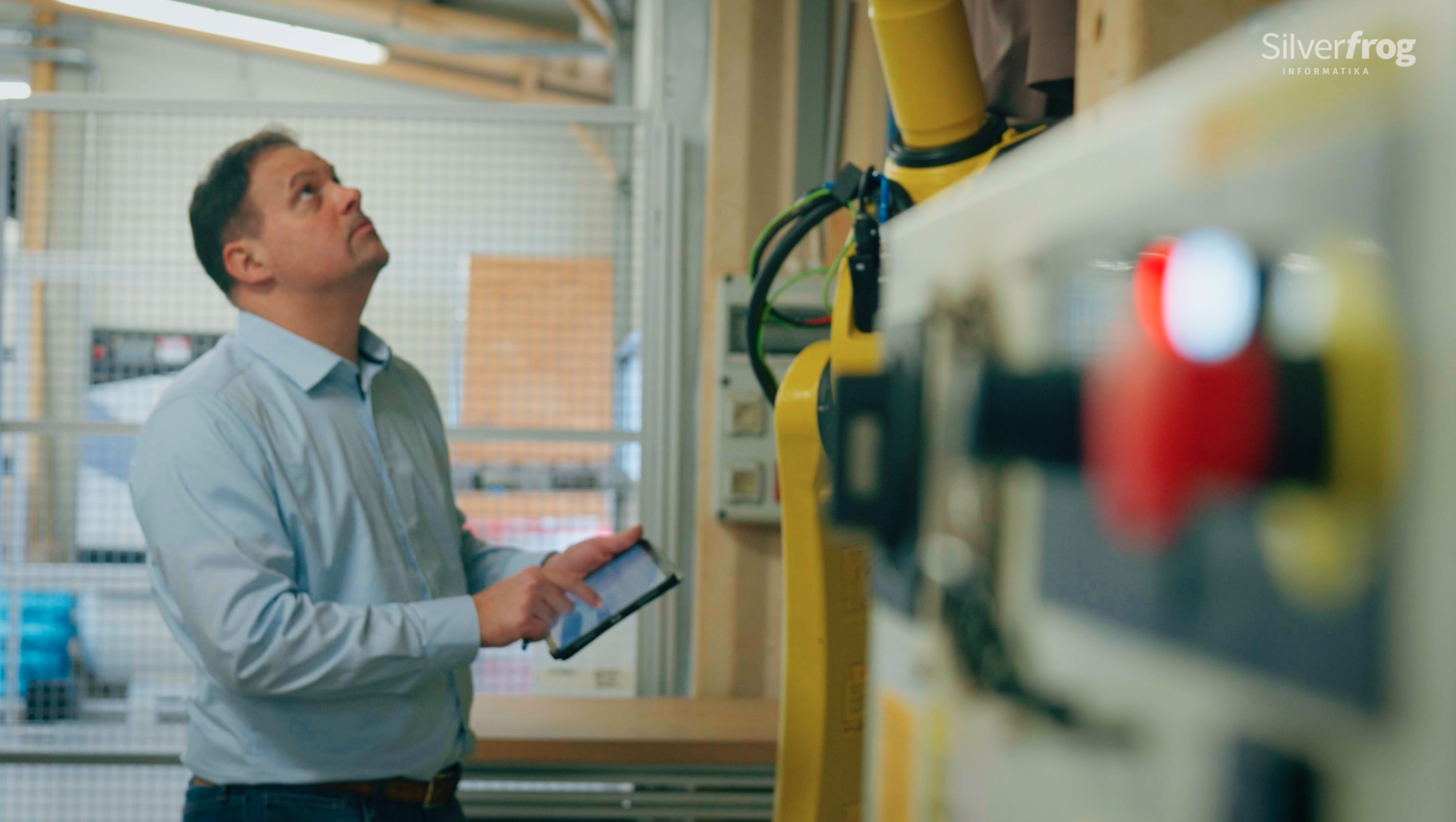
Transparent maintenance.
Predictable operations.
CMMS
Details
What size of organization is the CMMS a good fit for?
How does the CMMS fit into our existing ERP and reporting environment?
The CMMS does not replace the ERP system; it handles the professional side of maintenance. It can supply structured data to the ERP, for example by cost center, spare parts consumption or downtime. This way maintenance information appears where management and financial decisions are made.
What steps should we take to get started?
Introducing a CMMS is not a long project that changes everything at once. Experience shows that a gradual start works best: fault handling becomes structured first, then preventive maintenance and reporting are built on top of it. This way the system delivers tangible value from the very first steps.
How does the system support day-to-day maintenance work?
The goal of the CMMS is to simplify daily work, not to add administration. Maintenance staff get clear tasks, quick feedback and an easy-to-use interface, which reduces after-the-fact paperwork. The system works well when it supports everyday practice instead of burdening it.










Our machines are outdated – can data be collected from them at all?
DataCollector does not rely only on modern, networked machines. We have used it many times in older, so-called brownfield environments, where retrofitted sensors and interfaces made condition data collection possible. The approach always adapts to the existing machine park and does not assume brand-new equipment.
We do not want to connect machine control to the network – does it still work?
The DataCollector data flow is separate from machine control and handles monitoring information only. It does not interfere with the control system and can even run on a fully separated network. The solution can be installed on premises and needs no cloud connection, so it meets strict IT and OT security requirements as well.
Is it not too expensive to build a system like this?
Data collection does not require a full rollout all at once. In practice a project often starts with a single critical machine or production segment, where the risk or the expected return is the highest. This makes the value of the system visible quickly, and further expansion follows only after that.
Can DataCollector only be used together with the SilverFrog CMMS?
DataCollector also works as a standalone solution. It can connect to alerting, reporting or other external systems, and using the SilverFrog CMMS is not a prerequisite. Naturally the two systems reinforce each other, but DataCollector is meaningful and useful in other environments too.
Does every machine have to be handled separately, or can we think at system level?
DataCollector was not built for isolated data collection from individual machines. It can handle and interpret multiple data sources, even the ecosystem of an entire plant, as one. This may include condition data of production machines, energy measurements, as well as heating or other facility information, in a unified view.
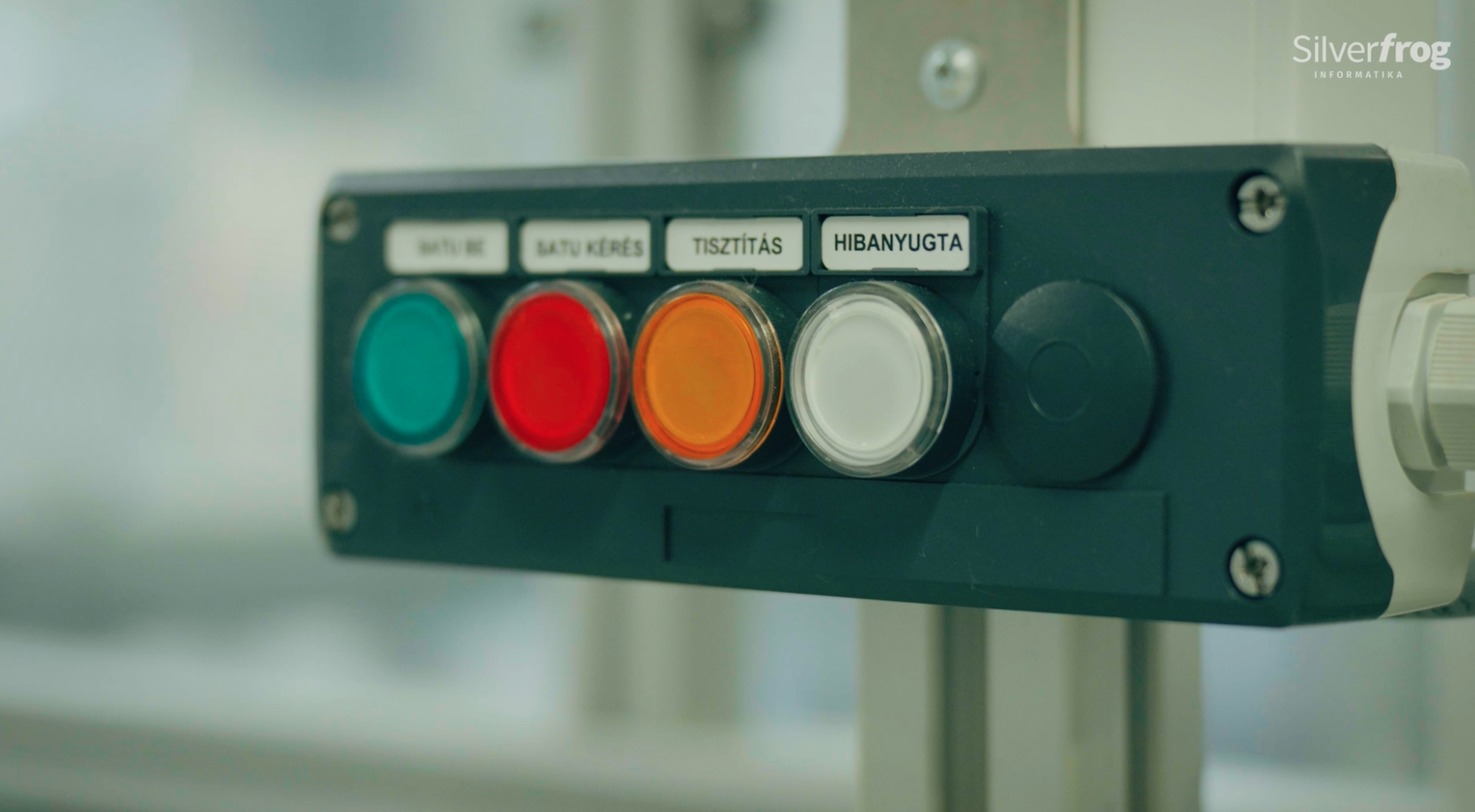
Machine data straight from the source.
Continuous condition monitoring.
DataCollector
Platform
Where does your maintenance stand?
A short, structured assessment for clearer decisions.